Sod Installation in Cold Weather: What Actually Works
Yes, you can install sod in winter in Conroe and the greater Houston area. Texas winters rarely freeze the ground, so new sod can still root while it's dormant. It just needs different care than a spring or summer install, and skipping that care is why so many winter lawns turn patchy by March.
Can You Install Sod in Winter in Texas?
Can you install sod in winter in Texas? Yes. Because Conroe winters stay mostly above freezing, sod roots keep growing underground even when the grass blades turn brown and go dormant. The blades won't green up until spring, but the root system can still establish itself during the colder months.
That's different from what happens in states with hard, extended freezes. In those regions, the ground locks up and roots stop working. Montgomery County soil rarely gets that cold for long, so winter installation is a real option here, not just a workaround.
Why Mild Winters Change the Rules
Soil holds heat longer than air does. Even after a cold front pushes air temperatures into the 30s, soil a few inches down often stays above 40 degrees. Roots keep working in that range, just more slowly than in warm soil.
Which Grass Types Handle It Best
St. Augustine, the most common lawn grass in Conroe, goes fully dormant and turns tan-brown in winter but tolerates a winter install well. Bermuda and Zoysia behave the same way. All three green back up on their own once soil temperatures climb in spring.
What Happens to Sod When It Goes Dormant
Dormant sod looks dead. It isn't. The plant is conserving energy in its roots and crown, the same way a tree drops its leaves without dying. Utah State University Extension's research on dormant vs. dead grass confirms this is a protective survival strategy, not a sign the lawn is failing.
Did you know? A dormant lawn can still lose water through its roots even though the blades aren't growing. That's why winter sod still needs regular watering, just less of it than a summer install.
Roots Keep Growing Under Brown Grass
This is the part most homeowners miss. Root establishment, not blade color, is what determines whether new sod survives its first year. A winter-installed lawn often has a head start on root depth by the time spring green-up begins.
The Real Risk Is a Hard Freeze, Not Cold Weather
General cold isn't the danger. A sudden hard freeze in the first one to two weeks after installation, before roots have made any contact with the soil below, is what causes damage. Freshly cut sod has almost no insulation of its own yet.
Pro Tip: If a hard freeze warning goes out in the first two weeks after installation, water the lawn lightly in the early morning before the cold hits. A thin layer of moisture on the soil surface actually helps buffer the root zone against a quick temperature drop.
How to Install Sod Correctly in Winter
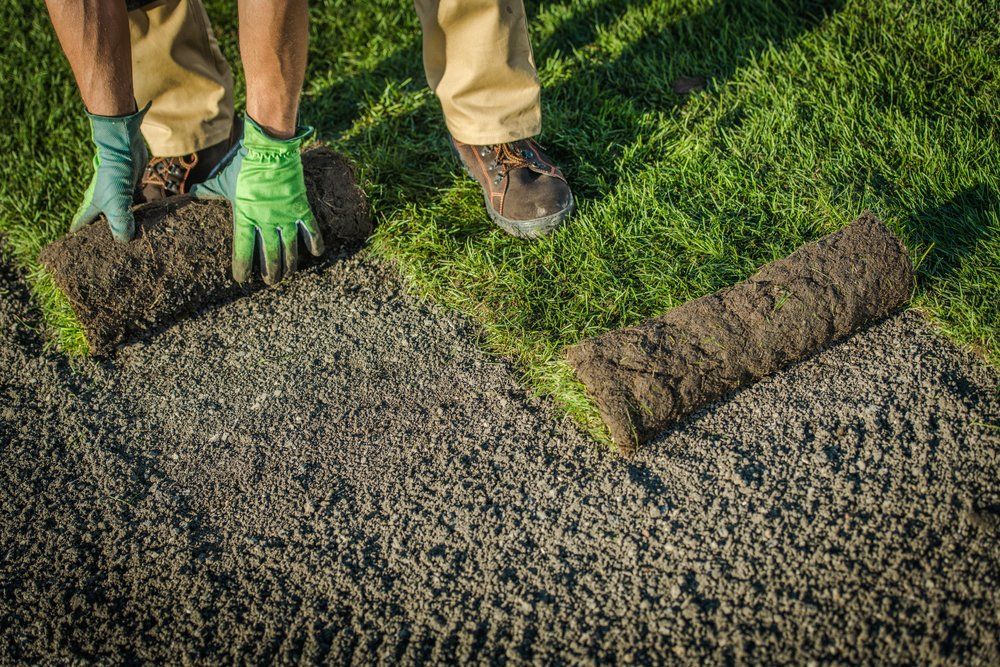
The install steps don't change: soil prep, grading, laying the rolls tight with staggered seams, then watering in immediately. What changes is the timing and amount of water afterward, and that's where most winter installs go wrong.
Here's a pattern our crews see almost every winter across Montgomery County: a homeowner installs sod, then either forgets to water because the grass "looks dead anyway," or overwaters it on the same daily schedule they'd use in July. Both mistakes cause the same result, a lawn with dead patches by February. Dormant sod needs deep, infrequent watering, roughly twice a week, not a daily light sprinkle.
Soil Prep Still Matters, Maybe More
Cold soil is slower to absorb water and nutrients, so any grading or drainage problems left over from fall show up faster in winter. Fixing standing water issues before the sod goes down matters even more this time of year. If your yard already holds water after rain, it's worth resolving that first with a proper yard drainage assessment rather than laying sod over a wet spot and hoping it dries out.
Watering Changes in Winter
Skip the starter fertilizer schedule you'd use in spring. Dormant roots don't process nutrients the same way, so a winter feeding mostly washes away or sits unused in the soil. Texas A&M AgriLife Extension's bermudagrass lawn management calendar backs this up, stating nutrients shouldn't go down until full spring green-up because dormant lawns can't use them efficiently. Once you see the first signs of green-up, bring in a proper feeding program through organic lawn care to support the spring push.
Sod Installation Cost and Timeline in Winter
Winter sod installation cost in Conroe runs close to the same range as spring installs, since material and labor pricing don't shift much by season. The real difference is timeline. Expect visible green-up to take longer, often four to six weeks after soil temperatures rise in early spring, compared to two to three weeks for a spring install.
Pro Tip: Ask your installer for the sod's harvest date before you buy. Winter-cut sod that's been stored more than a day or two loses moisture fast and struggles to establish, regardless of how well it's watered after installation.
When Winter Installation Makes Sense
Winter installation makes the most sense for new builds, bare patches left from fall storm damage, or getting a yard ready ahead of spring landscaping projects. If your only goal is the fastest possible green lawn with the least risk, early fall and spring still establish roots faster than winter does. Winter is a solid option, not always the best one, and the right call depends on your timeline and why you need sod down now.
For homeowners weighing the full landscape installation process from soil prep through the first mow, talking it through with a local crew that knows Montgomery County soil beats guessing from a national gardening blog written for a different climate.
Did you know? New construction homes in Texas are graded and sodded year-round, including winter, because builders can't wait for a specific season to close out a project. It works because installers adjust the watering plan, not because winter is somehow ideal.
Winter Sod Care Doesn't End at Installation
New sod, whether installed in December or May, needs a different mowing and watering rhythm for its first several months while roots finish establishing. Once spring green-up starts, staying on top of that schedule through
regular lawn maintenance is what keeps a winter-installed lawn from falling behind one installed in a warmer month.
Winter sod installation works in Conroe because our winters rarely freeze deep enough to stop root growth, not because cold weather helps the process along. Get the watering schedule right, protect against hard freezes in the first two weeks, and a winter lawn can be just as strong as one installed in spring.
Ready to get sod down before spring, or want a second opinion on timing for your yard? Contact QHR Lawn Care and Landscaping for a free sod installation estimate built around your property, not a generic calendar.
Frequently Asked Questions
Is it too cold to lay sod in winter in Texas? No. Conroe winters rarely freeze deep enough to stop root growth. Sod can still establish through the colder months, though it greens up more slowly than a spring install.
Will new sod die if it stays brown all winter? No, brown dormant sod is normal and expected. As long as roots are making contact with the soil and getting watered correctly, the grass will green up on its own once spring temperatures return.
How often should you water sod installed in winter? Water deeply about twice a week rather than daily. Dormant grass uses far less water than actively growing grass, and overwatering in winter causes more damage than underwatering.
Should I fertilize sod right after a winter installation? Hold off until you see the first signs of green-up in spring. Dormant roots don't use fertilizer efficiently, so applying it too early wastes product and can wash away.
How long until winter-installed sod is fully established? Plan on four to six weeks of active root growth after soil temperatures rise in early spring, compared to two to three weeks for a spring installation. Full establishment depends on watering consistency and soil prep.