How to Prepare Your Lawn for Winter in Conroe, TX
Prepare your Conroe lawn for winter with a practical checklist for mowing, watering, leaves, weeds, drainage, and spring recovery.

Preparing a Conroe lawn for winter is less about putting the grass to bed and more about handling cooler weather and fallen leaves. Keep mowing at the right height, adjust irrigation instead of stopping it, remove leaves before they mat down, control weeds early, and address drainage or bare spots.
Many Southeast Texas lawns go dormant or grow more slowly, but the ground is not frozen for months. Fall maintenance still affects spring recovery.
1. Keep mowing while the grass is still growing
Warm-season grasses such as St. Augustine, Bermuda, and Zoysia gradually slow down as temperatures and daylight decrease. They do not all stop on the same date, so do not choose a final mowing day from a calendar alone. Continue mowing as long as the lawn is actively growing, then reduce the frequency naturally as growth slows.
The goal is to remove only the top portion of the grass blade. Cutting too short can expose soil, stress the crown, and leave the lawn more vulnerable to weeds and temperature swings.
A better approach is to check the lawn each week. If the blades are still growing, mow with a sharp blade and avoid removing more than one-third of the height in a single pass. If the lawn has turned dormant and stopped growing, there is no benefit to repeated mowing just to make it look shorter.
Pro Tip: Do not lower the mower aggressively for the last cut of the year. A clean, normal-height cut is safer than a dramatic scalp, especially for St. Augustine lawns that need healthy crowns going into a slower season.
2. Change irrigation instead of turning it off
A dormant or slow-growing lawn needs less water than it does during a hot Conroe summer, but winter rain does not guarantee that every part of the yard is receiving enough moisture. Shaded areas, slopes, newly installed sod, and soil beneath large trees can have very different needs.
Reduce watering frequency as growth slows and check the soil before running the system. If it is dry and the lawn shows stress, water deeply enough to moisten the root zone rather than applying a quick surface sprinkle.
Avoid watering on a predictable schedule when the weather has already done the work. Overwatering in cool weather can keep the soil wet for too long, encourage disease, and create conditions where roots do not get the air they need. Texas A&M AgriLife Extension’s turfgrass water-management guidance is a useful reference for adjusting irrigation to weather and plant demand.
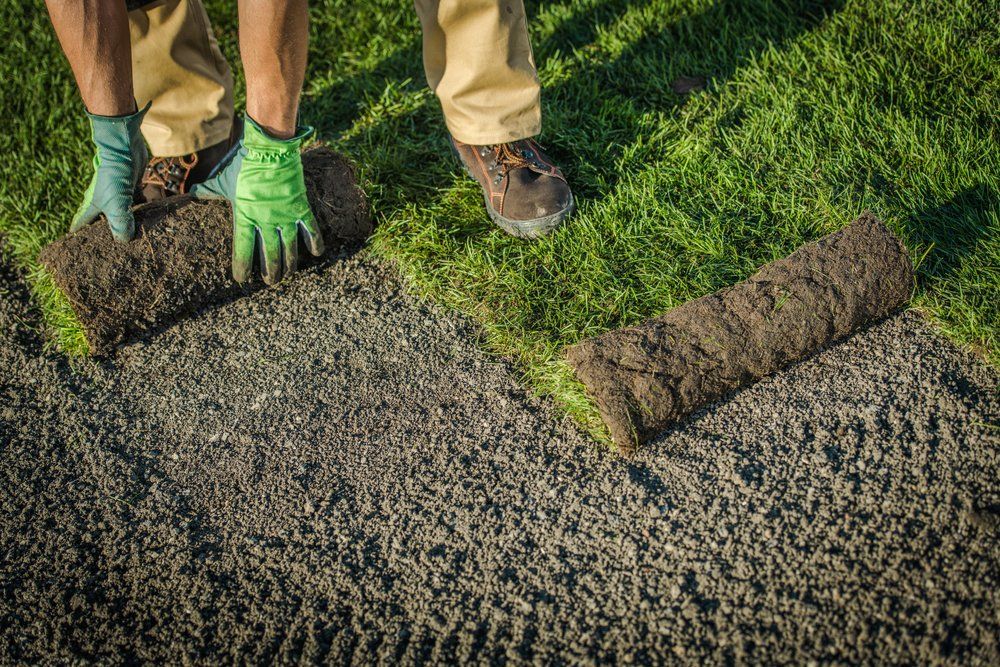
New sod is the exception. If you installed sod recently, follow a site-specific establishment plan rather than using a dormant-lawn schedule. The roots still need consistent contact with the soil while they establish, even if the blades look brown.
3. Clear leaves before they form a wet mat
A few leaves are not a problem, but a thick layer left on the lawn can block light and trap moisture against the grass. That is especially important in shaded sections and low spots where leaves stay wet after rain.
Mow over a light layer of dry leaves if your mower can break them into small pieces, or rake and remove heavier coverage. Keep leaves out of drainage paths, beds that are already holding water, and areas where they can wash against the foundation. Shredded leaves can sometimes be used as a thin layer in appropriate garden beds, but do not pile them onto turf.
If one part of the yard repeatedly collects leaves, water, or debris, the issue may be more than seasonal cleanup. It could point to a slope, clogged drainage route, or bed edge that needs attention before spring storms.
Did You Know? The same low areas that collect leaves often reveal where water moves slowly across a property. Fall cleanup is therefore a useful visual check for drainage problems, not just a cosmetic chore.
4. Handle weeds before spring competition begins
Cooler weather can create a different weed window in Texas lawns. Thin turf, open soil, and areas disturbed by construction or landscape work give weeds room to establish while the main grass is slowing down.
Walk the property and mark bare or thin sections before applying anything. Weeds near sidewalks, beds, fences, and drainage areas may be symptoms of compacted soil, poor coverage, or excess moisture. Solving the condition helps more than treating the visible plant alone.
Use only products appropriate for the grass type and follow the label. If you are unsure whether a weed is growing in St. Augustine, Bermuda, Zoysia, or an ornamental bed, get the plant identified before choosing a treatment. A product that is safe for one area can damage another.
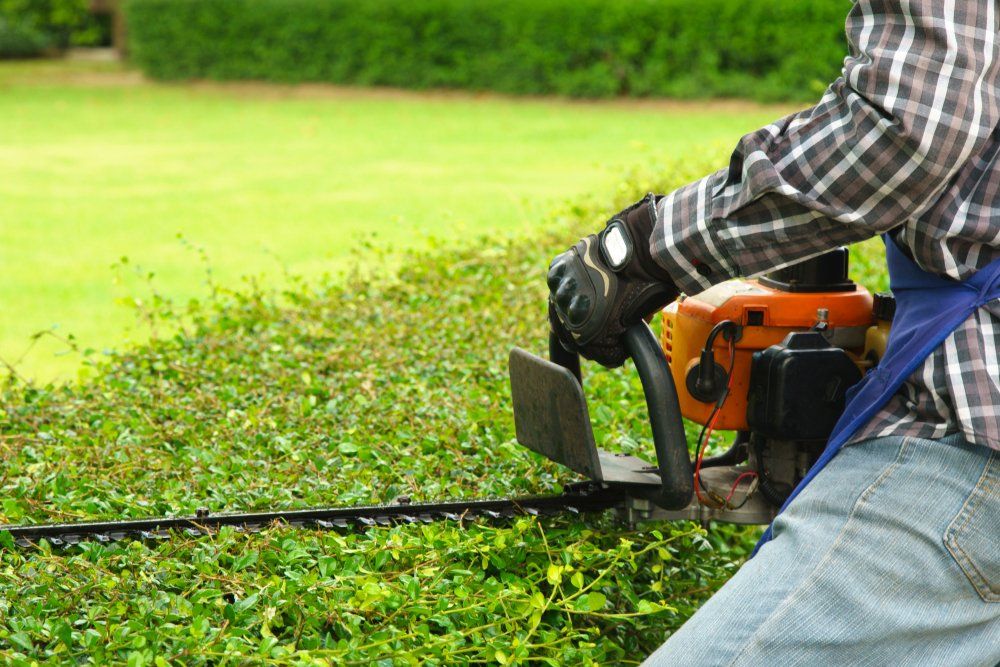
For a broader maintenance plan, QHR’s lawn care services can help keep mowing, trimming, weed control, and seasonal checks coordinated instead of handled as unrelated chores.
5. Inspect soil, drainage, and bare spots
Fall is one of the best times to look beyond the grass blades. Walk the property after rain and note standing water, muddy routes, exposed roots, compacted paths, and places where the lawn never seems to fill in. These conditions can become harder to correct when winter growth slows.
Do not cover a drainage problem with new sod or seed and expect the turf to solve it. Water that remains on the surface, flows toward a foundation, or repeatedly washes out a bed needs a plan that addresses grading and movement first. Compacted soil near driveways and high-traffic areas may also need preparation before new grass can establish.
If several parts of the property have the same issue, a site assessment can prevent a cycle of replacing plants and turf without fixing the cause. QHR’s landscape maintenance service is a practical starting point for properties that need ongoing seasonal attention.
6. Be cautious with fall fertilizer
More fertilizer is not automatically better winter preparation. Warm-season grass uses nutrients differently as growth slows, and applying the wrong product at the wrong time can encourage tender growth, waste product, or wash nutrients away during rain.
Base a feeding decision on the grass type, current growth, soil condition, and a confirmed need. Texas A&M AgriLife Extension’s home-lawn management resources explain why timing matters for warm-season turf.
Do not use fertilizer to compensate for poor drainage or an inconsistent mowing and watering routine. Those fundamentals have a larger effect on how the lawn enters spring.
What a winter-ready Conroe lawn should look like
A winter-ready lawn does not have to be perfectly green. It should be evenly maintained, free of heavy leaf cover, watered according to actual conditions, and inspected for problems that will be harder to see once growth slows. Some warm-season turf may turn tan; that is not automatically a sign that it is dead.
For larger property improvements, QHR’s landscape installation services can connect fall preparation to a larger yard plan.
Frequently Asked Questions
Should I stop mowing my lawn in winter in Conroe?
Stop mowing when the grass has stopped actively growing, not on a fixed date. Warm-season lawns slow down at different rates. Keep the final cut normal and avoid scalping the lawn.
How often should I water a Conroe lawn in winter?
Water less often than in summer, check soil moisture first, and water deeply when the root zone is dry. Recently installed sod needs a separate establishment plan because its roots are still developing.
Should I fertilize my lawn before winter?
Only if the grass type, soil condition, and timing support it. As warm-season turf slows down, an unnecessary application can be wasted. A soil test or local advice is safer than following a generic calendar.
What should I do with leaves on my lawn?
Remove heavy layers before they mat down and block light or trap moisture. Light, dry coverage may be mulched, but thick piles should be removed from turf, drainage paths, and wet low areas.
When should I call a lawn-care professional?
Call for help when you see recurring standing water, widespread bare spots, uncertain grass or weed identification, or a property that needs seasonal maintenance coordinated. A site-specific assessment can prevent you from treating symptoms while the underlying problem continues.
Conclusion
Preparing a Conroe lawn for winter is mostly about doing less, but doing the important things carefully: mow while the grass is growing, adjust irrigation to real conditions, clear heavy leaves, address weeds and drainage, and avoid unnecessary fertilizer. Those steps help your lawn enter the slower season in better condition and make spring cleanup more manageable.
If your lawn needs a seasonal maintenance plan or your property has areas that never seem to recover, contact QHR Lawn Care & Landscaping for a free quote. QHR serves Conroe, The Woodlands, and Montgomery with lawn care and landscaping services built around your property.