What Is Landscape Design? A Conroe Homeowner's Honest Guide
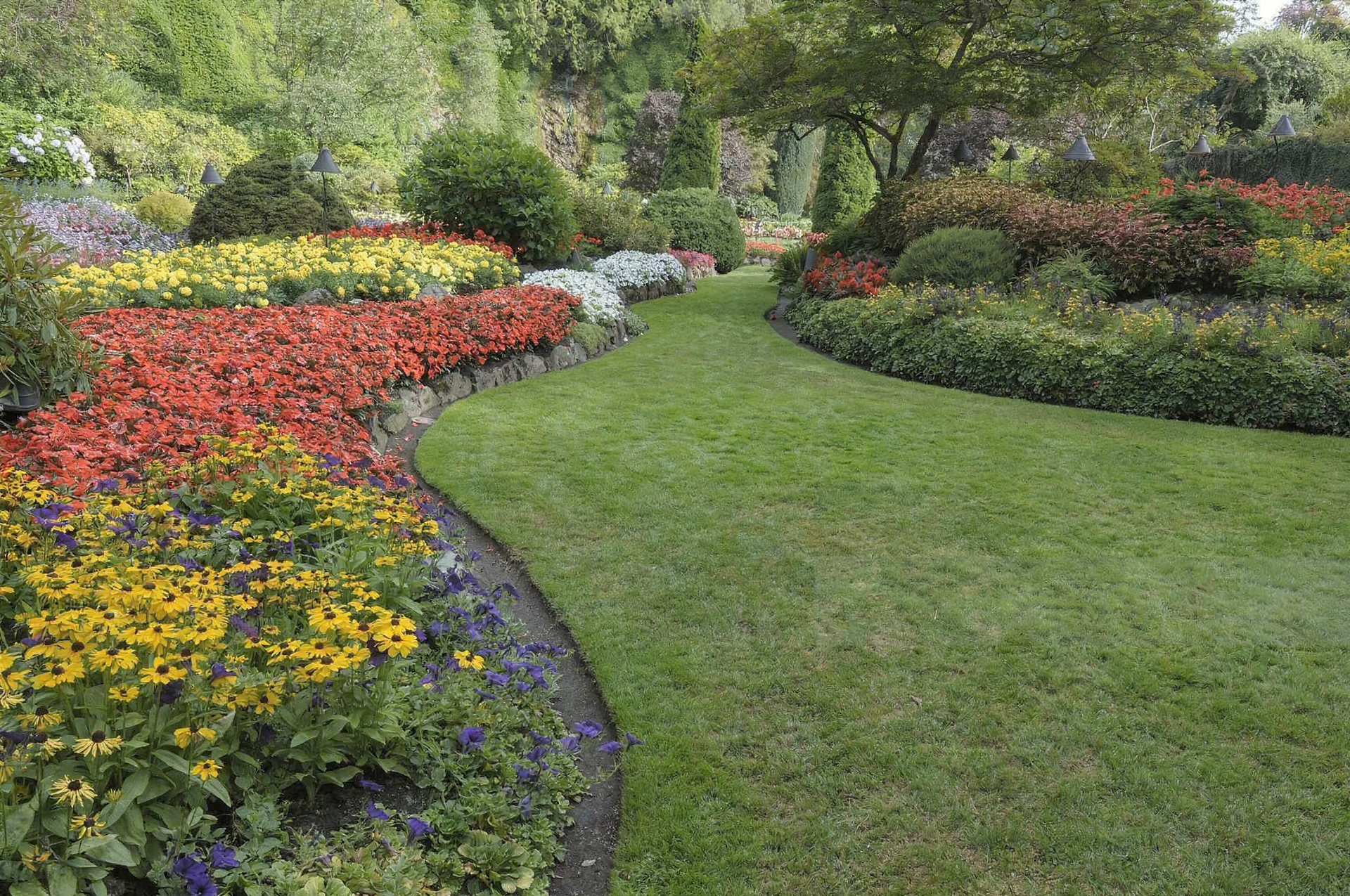
Landscape design is the process of planning how your outdoor space will look and function before any work begins. It covers plant selection, layout, hardscaping, drainage, and lighting — all coordinated into one plan tailored to your specific property.
That's the short answer. But most homeowners who ask "what is landscape design?" are really asking a second question underneath it: Do I actually need it, or can I just hire someone to plant some things and figure it out as I go?
That second question is worth answering honestly, because the answer isn't always what landscaping companies tell you.
Landscape Design vs. Landscaping: They're Not the Same Thing
This is the most common point of confusion we see among Conroe homeowners, and it leads to real problems when left unaddressed.
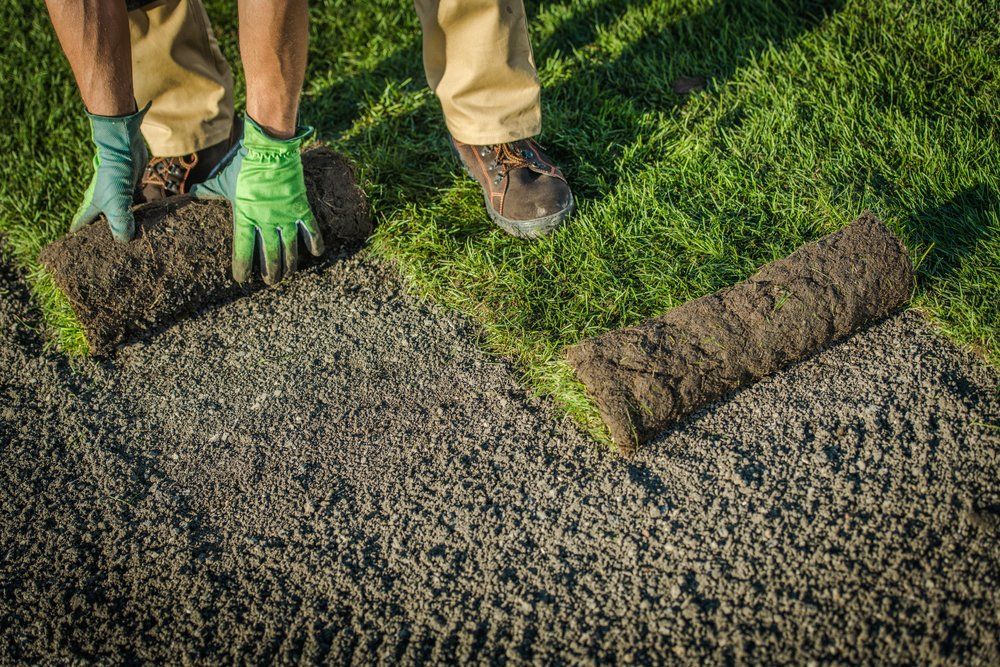
Landscaping is the physical work — planting trees, laying sod, building beds, installing irrigation. It's labor and materials.
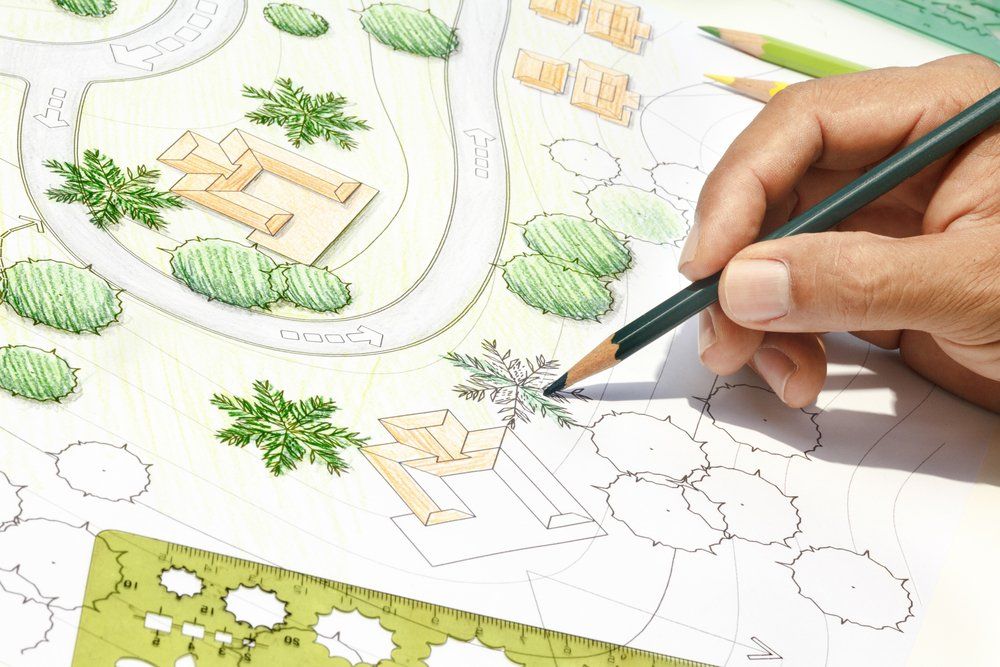
Landscape design is the planning that happens before any of that work begins. It determines what goes where, why, and in what sequence.
You can have landscaping without design. Most people do. A crew shows up, plants go in the ground, and it looks decent for a season or two. But without a plan that accounts for how your yard drains, which areas stay shaded, and how large each plant will grow in five years, the result tends to fall apart — and then you pay to fix it.
Design without landscaping doesn't make sense either. A plan on paper doesn't build itself. The two work together: design sets the direction, landscape installation executes it.
Did You Know? The confusion between "landscape design" and "landscaping" isn't just semantic. Homeowners who skip the design phase are significantly more likely to need costly replanting or drainage corrections within the first two years. We see this pattern consistently in properties we're brought in to repair.
What Landscape Design Actually Covers
A proper landscape design plan addresses more than plant selection. Here's what a complete scope looks like for a typical residential property in the Conroe area:
Site analysis. A designer evaluates your yard's sun exposure by zone, soil type and drainage behavior, existing structures, utility locations, and any grading issues before a single plant is chosen. This step is what separates a plan that works from one that looks good on paper and fails in practice.
Space planning and zones. Your yard gets divided into functional areas — street-facing curb appeal zones, entertainment areas, natural or low-maintenance zones, and problem spots that need specific solutions. Each zone gets its own plant and material strategy.
Plant selection. Plants are matched to the specific conditions in each zone, not pulled from a generic "Texas-friendly" list. Mature size, water needs, sun tolerance, and seasonal performance all factor in.
Hardscaping integration. Walkways, patios, edging, retaining walls, and drainage features get planned alongside the plantings — not bolted on afterward. When hardscaping and planting plans are developed together, the result is a yard that feels intentional. When they're added in separate phases without coordination, it rarely looks right and often creates drainage issues.
Irrigation and drainage. Water management is part of the design, not an afterthought. How water moves through your yard determines whether your plants thrive or struggle.
For a deeper look at how this process works from start to finish — including the four-stage design process and how to read your yard before any money is spent — the full breakdown is in our landscape design guide for Conroe homeowners.
The Difference Between Landscape Design and Landscape Architecture
While we're clarifying terms: landscape design and landscape architecture are related but not the same.
Landscape architects hold a licensed professional degree and are qualified to work on large-scale public and commercial projects — parks, civic spaces, stormwater systems, master-planned developments. In Texas, landscape architecture is a regulated profession requiring state licensure.
Landscape designers work primarily on residential and smaller commercial properties. The focus is on the livable outdoor spaces around homes — yards, gardens, outdoor living areas, and the planting and hardscape features that make them function well.
For most homeowners in Conroe and Montgomery County, a landscape designer is the right call. You're planning a yard, not a public park.
Pro Tip: When you're interviewing any landscape professional, ask specifically what the design deliverable looks like. A real design plan includes a scaled drawing, a plant list with spacing and mature size notes, and a material spec for any hardscaping. If someone offers to "design as we go," that's landscaping without design — and it costs more to fix later.
Do You Actually Need Professional Landscape Design?
Here's the honest answer: it depends on what you're doing.
You probably don't need full professional design if:
- You're planting a single bed or replacing a few shrubs
- Your yard has no drainage problems or significant slope
- You've already done the site analysis work yourself and have a clear, zone-based plan
You likely do need professional design if:
- You're starting from scratch or doing a significant redesign
- Your yard has drainage issues, standing water, or a slope toward the foundation
- You want hardscaping — patios, walkways, retaining walls — integrated with plantings
- You've tried to "figure it out as you go" and the results haven't held up
The honest pitch isn't "everyone needs professional design." It's that the design phase — whether you do it yourself or hire it out — always needs to happen. Skipping it doesn't save money. It just delays the cost.
Did You Know? According to Texas A&M AgriLife Extension's Earth-Kind® Landscaping program, research-based landscaping practices that start with proper site assessment and plant selection consistently outperform install-first approaches in long-term plant survival and water efficiency — key factors in Texas's demanding climate.'
What Landscape Design Costs in the Conroe Area
Design fees vary widely depending on scope, property size, and whether installation is bundled in. Some landscape companies charge a standalone design fee and credit it toward installation. Others include design as part of the project estimate.
The right question isn't "how much does design cost?" It's "how much will skipping design cost?" In our experience, the most expensive landscape projects we work on are properties where someone paid for installation twice — once for the original job, and once to correct it.
A free consultation is the lowest-risk way to get a realistic picture of what your specific yard needs. No commitment, no design fee, and you'll leave with a better sense of whether a full plan is warranted or whether a simpler approach will work.
Once a design is finalized and installed, consistent landscape maintenance is what keeps it performing the way it was planned.
Frequently Asked Questions
What is landscape design in simple terms? Landscape design is the planning process for your outdoor space — it determines what gets planted where, how the yard drains, where hardscaping goes, and how everything works together before any work begins. Think of it as the blueprint your yard follows.
What's the difference between landscaping and landscape design? Landscaping is the physical work of planting, grading, and building outdoor features. Landscape design is the planning phase that comes first. One without the other is either an unbuilt plan or unguided labor — both cause problems.
Do I need a landscape designer or a landscape architect? For residential yards, a landscape designer is typically the right fit. Landscape architects hold a licensed professional degree and are better suited for large commercial or civic projects. Most homeowners in the Conroe area need a designer, not an architect.
What does a landscape design plan include? A complete plan includes a scaled site drawing, zone layout, plant list with spacing and mature size, hardscaping specs, and drainage notes. If someone hands you a rough sketch without those details, it's not a design plan.
How long does landscape design take? Most residential landscape design projects take two to four weeks from initial consultation to a finished plan, depending on yard size and the number of revision rounds. Installation timelines are separate and depend on scope.
If you're trying to figure out where your yard stands and what kind of plan it actually needs, contact QHR Lawn Care & Landscaping for a free consultation. We'll walk your property, give you a clear read on what's going on, and tell you honestly what level of planning makes sense for your goals and budget.