The Complete Guide to Landscape Design: Transform Your Outdoor Space From Concept to Reality
Most homeowners in Conroe come to us asking for a "landscape design" without knowing what that actually means. The short answer: landscape design is the process of planning your yard's layout, plants, and features to work together as one space, not a collection of separate projects. It covers everything from the placement of a single tree to the full layout of beds, turf, lighting, and hardscaping.
That short answer is the easy part. The harder part is what most "top 10 landscape design tips" articles skip: in Conroe and the greater Houston area, the design that looks great on a Pinterest board often fails within two summers because it ignores our clay soil, our humidity, and our water restrictions.
We learned this the hard way on a design we no longer build the same way.
What Is Landscape Design, Exactly?
Landscape design is the planning process that turns a yard into a connected outdoor space. A landscape designer studies your property's sun exposure, drainage, and soil, then creates a plan for plants, hardscaping, and lighting that work together over time, not just on installation day.
This is different from landscape installation, which is the physical work of putting that plan into the ground. Design comes first. Installation follows. Skipping the design step and jumping straight to installation is the most common mistake we see in Conroe yards.
Did You Know? Texas A&M AgriLife Extension's Earth-Kind® Landscaping program reports that landscape irrigation accounts for a large share of urban water use in Texas, which is one reason plant selection matters as much as layout in any design plan.
The Front Yard Redesign That Changed How We Plan Lawns
A Conroe homeowner came to us two years ago wanting a classic, lush St. Augustine front lawn to match the rest of the street. We installed it. By the second August, more than a third of the lawn had gone brown and patchy, even with regular watering. The problem wasn't maintenance. It was the design itself: a west-facing yard with full afternoon sun, fast-draining sandy soil near the foundation, and a sprinkler zone that couldn't keep up with Texas heat.
We redesigned the space instead of just replacing the grass. We pulled St. Augustine back to the shadier side yard, replaced the sun-blasted front strip with Gulf Coast Muhly grass and Texas Sage, and added a dry creek bed to handle runoff from the driveway. The next summer, that same yard needed about half the water and stayed green through August.
That project changed how we scope every front yard design now. We ask about sun exposure and soil drainage before we ever talk about plant choices, because the prettiest plant list in the world fails if it's fighting the site instead of working with it.
Pro Tip: Before you fall in love with a plant list from a magazine or app, walk your yard at noon and again at 4 p.m. for a few days. Note which areas bake in direct sun and which stay shaded. That fifteen-minute habit prevents more landscape failures than any single design choice.
The Landscape Design Process, Step by Step
A solid design process has four stages, and skipping any of them shows up later as a yard that doesn't hold up.
- Site assessment. A designer checks your sun exposure, soil type, drainage patterns, and existing structures. This step catches problems like the one in the front yard redesign above before they become expensive.
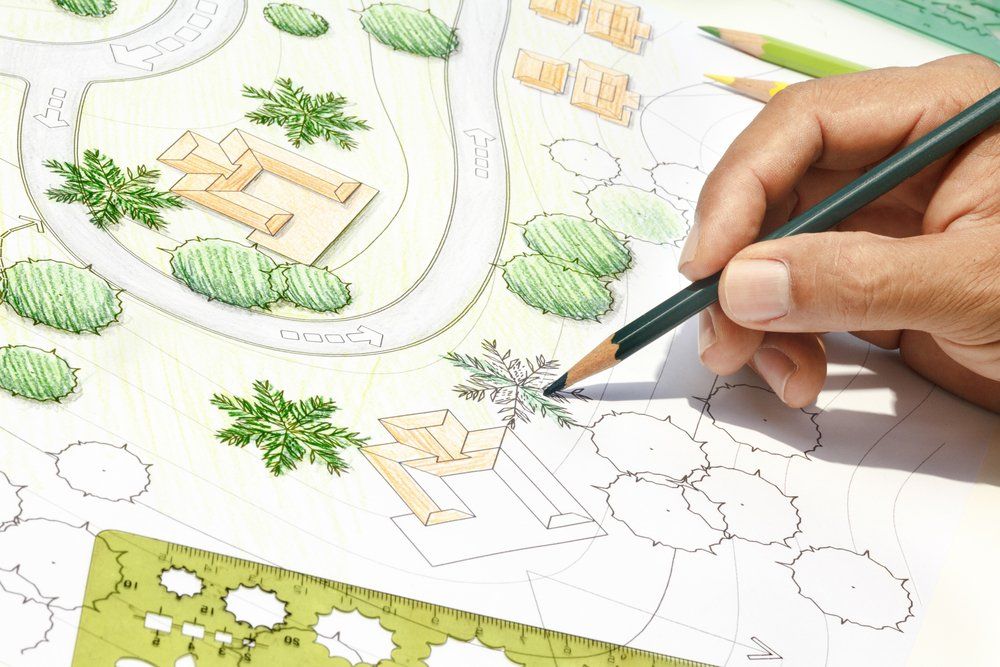
- Concept planning. The designer sketches a layout showing zones for turf, beds, walkways, and outdoor living areas, based on how you actually use your yard.
- Plant and material selection. Plants get chosen for the specific conditions in each zone, not a generic "Texas-friendly" list. Materials for paths, edging, and hardscaping get matched to your home's style and budget.
- Installation and follow-up. The plan gets built, then checked again after the first season to confirm plants are establishing well and irrigation is working as designed.
Question: How long does professional landscape design usually take? Answer: Most residential landscape design projects take two to four weeks from initial consultation to a finished plan, depending on yard size and how many revisions the homeowner requests. Installation timelines run separately and depend on the scope of work.
Design Styles That Work in Southeast Texas
Picking a style isn't just about looks. Some design approaches handle our climate better than others.

Native and naturalistic designs have grown more popular here because they hold up through Conroe's hot, dry stretches without constant irrigation. A naturalistic design doesn't mean a messy yard. It means choosing plants suited to our region and arranging them with intention, the same design principles used in formal landscaping, just with a different plant palette. Whichever style you choose, ongoing landscape maintenance is what keeps the design looking the way it did on installation day.
Did You Know? The Texas A&M AgriLife Texas Urban Landscape Guide notes that good horticultural practice means putting the right plant in the right place and using only the water and fertilizer a plant actually needs, rather than a one-size-fits-all routine.
DIY Landscape Design vs. Hiring a Professional
Plenty of homeowners start with free apps and yard sketches, and that's a reasonable first step for small projects. Where DIY design tends to break down is in drainage planning, plant spacing at maturity, and matching plants to microclimates within a single yard, exactly the kind of mismatch that caused the front lawn problem above.
Pro Tip: If you're sketching your own design, measure your yard's drainage by watching where water pools after a hard rain. Any low spot that holds water for more than a day needs a drainage solution built into the plan, not added as an afterthought later.
A professional designer brings something a free app can't: local experience with how specific plants and materials perform in Conroe soil and weather over multiple seasons. That experience is what separates a design that looks good in a rendering from one that still looks good three summers later.
Frequently Asked Questions
What does a landscape designer actually do?
A landscape designer assesses your property, creates a plan for plants and features suited to your site, and selects materials that match your style and budget. They focus on the full design plan, while installation crews handle the physical build.
How much does professional landscape design cost?
Costs vary widely based on yard size, design complexity, and whether installation is included. Most homeowners get the clearest answer with a free, no-obligation consultation and site visit.
Can I do landscape design myself?
Yes, for smaller projects with simple sun and drainage conditions. Larger yards or sites with drainage issues, slopes, or mixed sun exposure usually benefit from a professional site assessment first.
What's the difference between landscape design and landscape installation?
Design is the planning phase, covering layout, plant choices, and materials. Installation is the physical work of building that plan, including planting, hardscaping, and irrigation setup.
How do I know if my yard needs a redesign instead of just new plants?
If plants keep failing in the same spots despite regular care, the issue is usually the design, not the plant choice. A site assessment can identify whether sun, soil, or drainage is working against your current layout.
Ready to stop guessing and start planning? Contact QHR Lawn Care & Landscaping for a free landscape design consultation. We'll walk your Conroe or Montgomery County property, check your sun and drainage, and build a plan suited to your actual yard, not a generic template.